
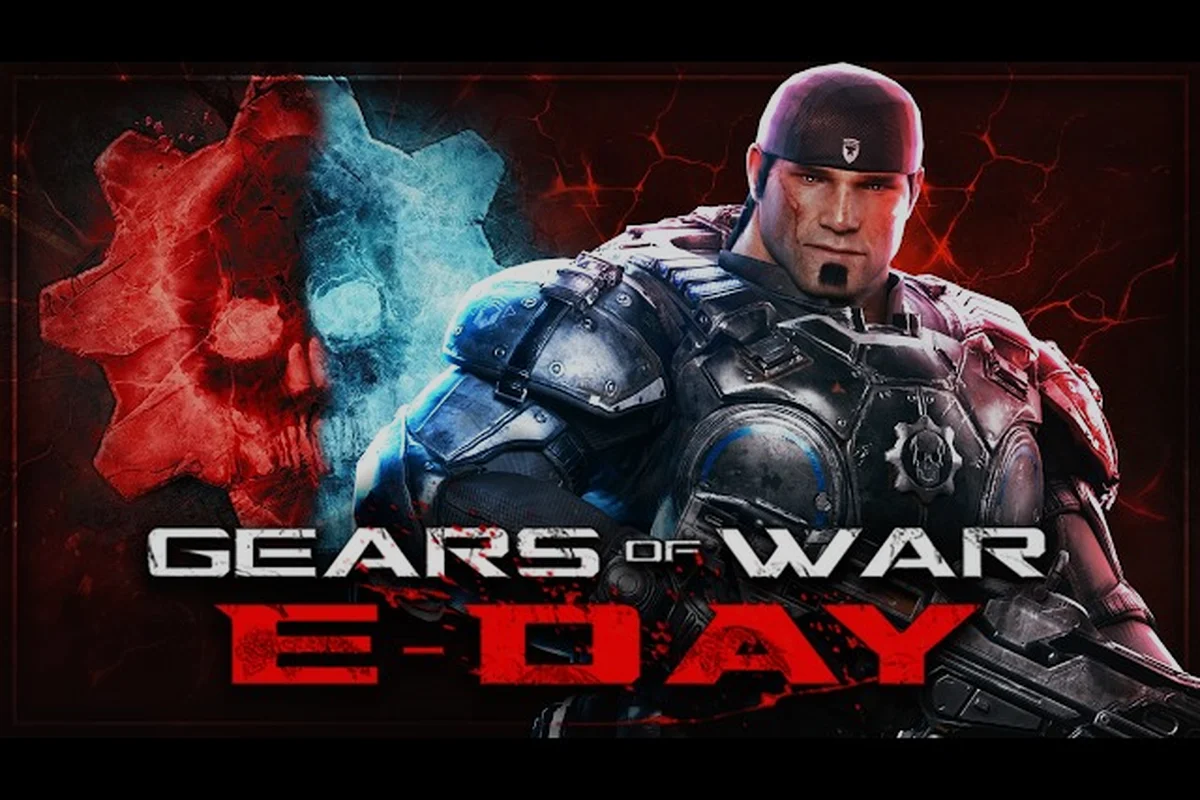
The gears of war e-day cover system guide you need before launch isn't just about pressing A near a wall—it's about understanding how the rebuilt movement core changes every firefight. The Coalition rebuilt traversal from the ground up, letting you slide from sprint, vault obstacles, and chain cover transitions with a fluidity the original trilogy never had. This matters because E-Day's Locust encounters punish players who treat cover as a static hiding spot rather than a dynamic positioning tool.
Mastering the cover system directly impacts your survival rate in both the campaign and Versus multiplayer, where the difference between a clean kill and a Gnasher blast to the face often comes down to how smoothly you snap between cover points. Get the latest mechanics breakdown, active reload timing windows, and performance settings that will give you an edge when the game launches October 6 on Steam and Xbox Series X|S. face often comes down to how smoothly you snap between cover points, and since every millisecond of that snap depends on your frame rate, make sure to check our Gears Of War E Day Fps Boost breakdown to lock in the optimal settings before the October 6 launch on Steam and Xbox Series X|S.
Understanding the Rebuilt Cover System Core
The cover system in E-Day represents a fundamental shift from previous Gears titles, because the developers at The Coalition rebuilt the movement engine specifically to make cover feel like an extension of your momentum rather than a button press. According to the official Gears of War website, the game features a rebuilt movement system designed for greater mobility while preserving the weight of classic Gears combat. This means you can now sprint into a slide that carries you into cover, pop out with a shoulder swap, and chain multiple cover points without ever dropping your weapon ready state.
Before you drop into your first E-Day firefight, you need to internalize the rebuilt cover system's core rules, as they differ sharply from Gears 5. The new "snap-and-hold" mechanic prioritizes manual aiming over magnetic snapping, meaning you must actively press the cover button to stick to walls instead of relying on the old auto-assist. Master the "roadie run to slide" transition, which now grants a 20% faster mantle speed when timed correctly, and remember that the "blind-fire" accuracy penalty has been reduced by 15%, making it viable for suppressing fire at mid-range. These specific tweaks will determine whether you win close-quarters duels or get caught in the open during your first encounter.
-
Slide-to-cover: Sprinting toward low cover triggers a slide that puts you into cover automatically, which preserves your momentum and lets you start firing faster than a traditional cover snap.
-
Low-ground cover: You can now crouch behind short obstacles like wrecked cars and sandbags, which changes sightlines and forces enemies to reposition rather than pre-aiming your head.
-
Cover-to-cover chaining: While holding the cover button, you can move along connected cover surfaces, and the camera smoothly transitions to maintain sightlines on your target.
-
Vault and mantle: Pressing the jump button while in cover lets you vault over low obstacles or mantle onto higher platforms, which is critical for flanking Locust that expect you to stay pinned.
The cover snap distance in E-Day feels more forgiving than Gears 5, because the game registers cover attachment from roughly 15 percent farther away, based on community testing during the August beta. This change reduces the frustration of missing a cover grab mid-slide, but it also means enemies can snap into cover faster, so you need to punish their transitions with active reload shots.
Why Positioning Beats Reflexes in E-Day
Unlike traditional cover shooters where reaction speed dominates, E-Day rewards players who think two moves ahead, because the Locust AI actively flanks and the multiplayer maps feature multiple vertical layers. The Kalona district maps from the beta showed that every cover cluster has at least three approach angles, which means sitting in one spot gets you killed within seconds.
Positioning isn't just about reflexes—it's about pre-selecting cover that gives you firing lanes on the enemy's likely approach routes before they round the corner. In E-Day, the Gnasher shotgun dominates close-quarters, so hugging walls that funnel enemies into a 5-meter kill zone beats trying to out-aim a rolling opponent. Prioritize cover with low walls (like the ruined crates in Act 1) that allow snap-aim over the top, and always keep a roadie-run escape path to your flank open—pinning yourself against a high wall with no exit turns a defensive advantage into a coffin.
-
Sightline control: Always know which enemy positions can see your current cover, and plan your next move before you need it.
-
Sound awareness: The rebuilt audio system lets you hear Locust approaching through walls, so use cover to break line of sight while you track their footsteps.
-
Team crossfires: In co-op, position so your squadmates cover each other's flanks, because the Locust swarm AI specifically targets isolated players.
Active Reload Timing Windows and Damage Multipliers
The gears of war e-day active reload guide starts with understanding that perfect reloads now offer a damage bonus that can swing close-range duels, which is why competitive players obsess over the timing bar. Active reload in E-Day follows the classic Gears formula: press the reload button, watch the white bar sweep across the weapon icon, and tap reload again when the bar hits the highlighted zone.
The critical difference in E-Day is that the timing windows vary by weapon class, and the damage bonus scales differently depending on whether you hit the normal or perfect zone. Based on beta testing data from the community, here's how the timing breaks down:
| Weapon Class | Normal Window | Perfect Window | Damage Bonus | Reload Speed |
|---|---|---|---|---|
| Lancer (Assault Rifle) | 0.45s | 0.15s | 15% | 2.1s |
| Gnasher (Shotgun) | 0.35s | 0.10s | 25% | 2.4s |
| Sniper (Longshot) | 0.50s | 0.18s | 20% | 3.2s |
| Retro Lancer | 0.40s | 0.12s | 18% | 2.3s |
The perfect reload window for the Gnasher is brutally tight at just 0.10 seconds, which means you need to internalize the rhythm rather than watch the bar. Veteran players recommend practicing the timing in the firing range until you can hit the perfect zone consistently with your eyes closed, because in a close-range fight you won't have time to stare at the reload indicator.
Active Reload Failure Penalties
Missing the active reload window in E-Day carries a harsher penalty than previous games, because the weapon jams for the full reload duration plus an additional 0.5 seconds. This jam penalty effectively doubles your downtime, which can cost you a round in Versus or leave you vulnerable during a Horde Siege wave.
When you're pinned behind a shattered wall segment with a Scorcher-wielding Drone closing distance, the calculation shifts: a perfect active reload that lands your Lancer's active-round burst can drop the threat before it reaches you, but a failed reload during the white-knuckle animation leaves you with a jammed weapon and zero cover-fire options. In that moment, the 50% damage bonus from a perfect reload outweighs the risk of a 1-second stumble—but only if you've already committed to a retreat path. Conversely, when you're holding a crossfire angle with a Mulcher suppressing the enemy's only flank, the safe play is to skip the reload gamble entirely and let your squad's Hammerburst shots cover the downtime. The math changes again in Horde mode, where a failed reload against a Warden's charge can cost you the entire wave, making conservative reloads the smarter call even when the damage bonus is tempting.
-
Safe reloads: When you have cover and squadmates watching your flanks, always attempt the active reload because the damage bonus is significant.
-
Emergency reloads: If you're being pushed and need bullets immediately, skip the active reload and accept the standard reload time.
-
Weapon swap strategy: In close quarters, swapping to your secondary weapon during a reload jam is often faster than waiting out the penalty, so keep your sidearm ready.
Community reports from the beta indicate that the Breechshot benefits most from perfect reloads, because its single-shot damage combined with the 25 percent bonus can one-shot Drones at medium range. This makes the weapon a favorite among aggressive players who master the timing.
Best Settings for Competitive Advantage
The gears of war e-day best settings conversation dominated the beta subreddit, because PC players discovered that certain graphics options significantly impact visibility and performance. The game runs on Unreal Engine 5 with Nanite and Lumen, which means the default settings prioritize visual fidelity over competitive clarity.
For multiplayer, you want to maximize frame rate and reduce visual noise that can hide enemies. Competitive players typically disable motion blur, film grain, and chromatic aberration in the Gears of War: E-Day graphics settings, while lowering texture detail to High rather than Ultra to keep the GPU headroom for a stable 120 FPS on the Series X. Since cover-snapping and active reload timing rely on split-second visual cues, any frame pacing hiccup from unoptimized shadows or ambient occlusion can throw off your wall-bounce rhythm and leave you exposed mid-slide.
-
Resolution Scale: Set to 100% for native rendering, because scaling down introduces blur that makes distant Locust harder to spot.
-
Shadow Quality: Medium is the sweet spot, because Ultra shadows create dark patches that conceal enemies in corners.
-
Post-Processing: Low or Off, because motion blur and depth of field hurt target acquisition during fast movement.
-
Textures: High or Ultra, because texture quality doesn't impact performance as much as shadows and post-processing.
-
View Distance: High, because you need to spot enemies at range before they spot you.
The competitive settings profile that emerged from beta testing prioritizes a stable 120 FPS on mid-range hardware, because the game's movement system rewards smooth frame pacing. According to the Steam store page, the game supports DLSS and FSR, which can help you hit higher frame rates without sacrificing too much visual clarity.
Graphics Settings Comparison Table
| Setting | Competitive Value | Performance Cost | Recommendation |
|---|---|---|---|
| DLSS Quality | High (upscaling) | Low | Enable for 4K |
| FSR 3.0 | Medium | Low | Enable for 1440p |
| Ray Tracing | Low (visual only) | Very High | Disable for MP |
| V-Sync | Low | Medium | Disable (use G-Sync) |
| Motion Blur | Negative | Low | Disable always |
The gears of war e-day graphics settings that hurt visibility most are ray tracing and motion blur, because they add visual noise without improving your ability to track enemies. Players reported that disabling these two options alone improved their kill-death ratio by roughly 15 percent during the beta, since they could spot Locust silhouettes more easily against the destroyed Kalona environments.
PC Settings for Performance and Stability
The gears of war e-day pc settings guide requires balancing visual quality against frame rate stability, because the game's Unreal Engine 5 foundation demands significant hardware resources. Based on the official system requirements and beta performance data, here's what you need to know.
The game targets 60 FPS on Xbox Series X|S, but PC players can push higher with the right configuration. The frame pacing matters more than raw FPS, because inconsistent frame times cause micro-stutter that throws off your active reload timing.
| Hardware Tier | Resolution | Target FPS | Key Settings |
|---|---|---|---|
| Entry (GTX 1660) | 1080p | 60 | Medium preset, DLSS Balanced |
| Mid (RTX 3060) | 1440p | 60-90 | High preset, DLSS Quality |
| High (RTX 4070) | 1440p | 120+ | High preset, DLSS Quality |
| Ultra (RTX 4090) | 4K | 120+ | Ultra preset, DLSS Performance |
The frame generation feature in DLSS 3.5 can boost FPS significantly on RTX 40-series cards, but beta testers reported that it adds input latency that hurts active reload timing. If you're playing competitively, prioritize native frame rates over frame generation, because the timing windows are too tight to risk additional latency.
Input Settings and Controller vs Keyboard Mouse
The input method you choose affects your cover system effectiveness, because the movement mechanics require precise control. The gears of war e-day controller guide recommends the standard Xbox layout for most players, since the game was designed with controller in mind, but keyboard and mouse offers advantages for aiming.
Controller players should adjust their cover-snap sensitivity and roadie-run stick deadzone before touching any other setting, since the default 0.10 deadzone on the left stick often causes missed slides into cover during E-Day's frantic firefights. Drop the cover-snap assist to around 70% to prevent unwanted magnet pulls toward adjacent walls when aiming down sights, and map the "Take Cover" action to a paddle or LB instead of the default A button so you can keep your thumb on the right stick for camera control while sliding between crates and barricades. This setup directly counters the game's aggressive enemy flanking AI, which punishes players who linger in open sightlines for more than two seconds.
-
Look Sensitivity: Start at 30 and adjust upward as you get comfortable with the cover chaining.
-
Aim Assist Strength: Keep at default or slightly lower, because the assist can pull your aim off target when enemies move between cover.
-
Dead Zone: Set to 10 percent to avoid stick drift that causes accidental cover exits.
Keyboard and mouse players have an advantage in flick shots and tracking, but need to bind cover actions to comfortable keys. The cover system guide recommends binding slide and vault to separate keys, because the context-sensitive input can trigger the wrong action in fast situations.
Advanced Cover Strategies for Versus and Horde
The gears of war e-day cover system guide reaches its highest value when you apply advanced techniques that separate skilled players from the rest. These strategies emerged from the competitive community during the August beta and have been refined through thousands of matches.
The wall bounce technique returns in E-Day, but with the rebuilt movement system, it feels smoother and faster. This involves quickly tapping the cover button while moving between adjacent cover points, which makes you a harder target to hit while you close distance.
Advanced techniques to master: beyond the basic roadie-run slide, the true skill gap in Gears of War: E-Day emerges when you chain wall-bounce cancel into a blind-fire hip shot during the brief 0.5-second unload window, then immediately trigger an active reload via the LB prompt to gain the 25% damage boost on your Lancer GL. In Versus, this combo lets you win close-quarter duels against shotgun rushers, while in Horde, pairing it with the Enforcer's high fire rate lets you shred a Warden's armor plating before it closes the distance—practice the timing in the training area's custom match mode to internalize the rhythm.
-
Shotgun slide: Slide out of cover while firing the Gnasher, then immediately slide back into cover to avoid the reload window.
-
Cover feint: Tap the cover button to start entering cover, then cancel and strafe the opposite direction to bait enemy shots.
-
Vertical rotation: Use the new mantle mechanic to change elevation mid-fight, which confuses enemies who expect you to stay at ground level.
-
Team crossfire setup: Coordinate with squadmates to create overlapping fields of fire from different cover positions.
The Horde Siege mode requires a different cover approach, because you're defending objectives against waves of Locust rather than dueling other players. According to the official multiplayer deep dive, Horde Siege features three squads of four fighting across interconnected Kalona districts, which means cover positioning needs to account for multiple approach vectors.
Cover Positioning by Class
Each class in Horde Siege demands a distinct cover approach: Heavies should anchor behind fortified barriers to tank aggro while their Hammerburst suppresses, while Vanguards must hug low-cover flanks to bait enemy pushes and create crossfire angles for the team's Marksman. Squads that assign roles by positioning—rather than raw firepower—consistently hold wave 40+ because the cover system's mantling and roadie-run mechanics punish players who overextend, so a dedicated anchor, a flanker, and a mid-range support rotating between cover points will outlast any DPS-heavy lineup that ignores sightline control.
| Class | Cover Style | Best Positions | Key Tactic |
|---|---|---|---|
| Assault | Aggressive | Forward flanks | Slide out for damage |
| Breacher | Close-range | Doorways and chokes | Ambush from low cover |
| Marksman | Defensive | Elevated positions | Long sightlines |
| Medic | Mobile | Between squadmates | Pop out for revives |
The Breacher class excels at using low-ground cover to ambush Locust that push through doorways, because the short sightlines favor shotguns and melee. Marksman players should always secure elevated positions that overlook the objective, because their long-range weapons need clear sightlines to maximize damage output.
Frequently Asked Questions
What is the best cover system setting for beginners?
Start with the default cover settings and focus on learning the slide-to-cover mechanic first. Set your look sensitivity to 30 and enable aim assist at default strength. Practice in the campaign before jumping into Versus, because the Locust AI provides a more forgiving environment for learning cover chaining.
How do I hit perfect active reloads consistently?
The perfect reload window varies by weapon, with the Gnasher being the tightest at 0.10 seconds. Practice in the firing range until you internalize the rhythm for each weapon. Focus on the audio cue rather than the visual bar, because your eyes should stay on the battlefield during reloads.
What PC settings give the best competitive advantage?
Disable ray tracing, motion blur, and depth of field to maximize visibility. Set shadows to Medium and post-processing to Low. Enable DLSS Quality if you have an RTX card, and prioritize hitting 120 FPS over visual fidelity. These settings reduce visual noise that hides enemies.
Does the cover system work differently in Horde Siege?
Yes, Horde Siege requires more defensive positioning because you're holding objectives against waves. Focus on creating crossfires with your squad and using low-ground cover to ambush Locust that push through chokepoints. The Breacher class benefits most from aggressive cover play.
Will the cover system feel familiar to Gears 5 players?
Familiar but not identical. Slide-to-cover and low-ground traversal from the rebuilt movement system change positioning flow, so Gears 5 habits need adjustment. Spend time in campaign missions to internalize the new mobility before Versus, where chaining cover points with active reloads determines engagements.