
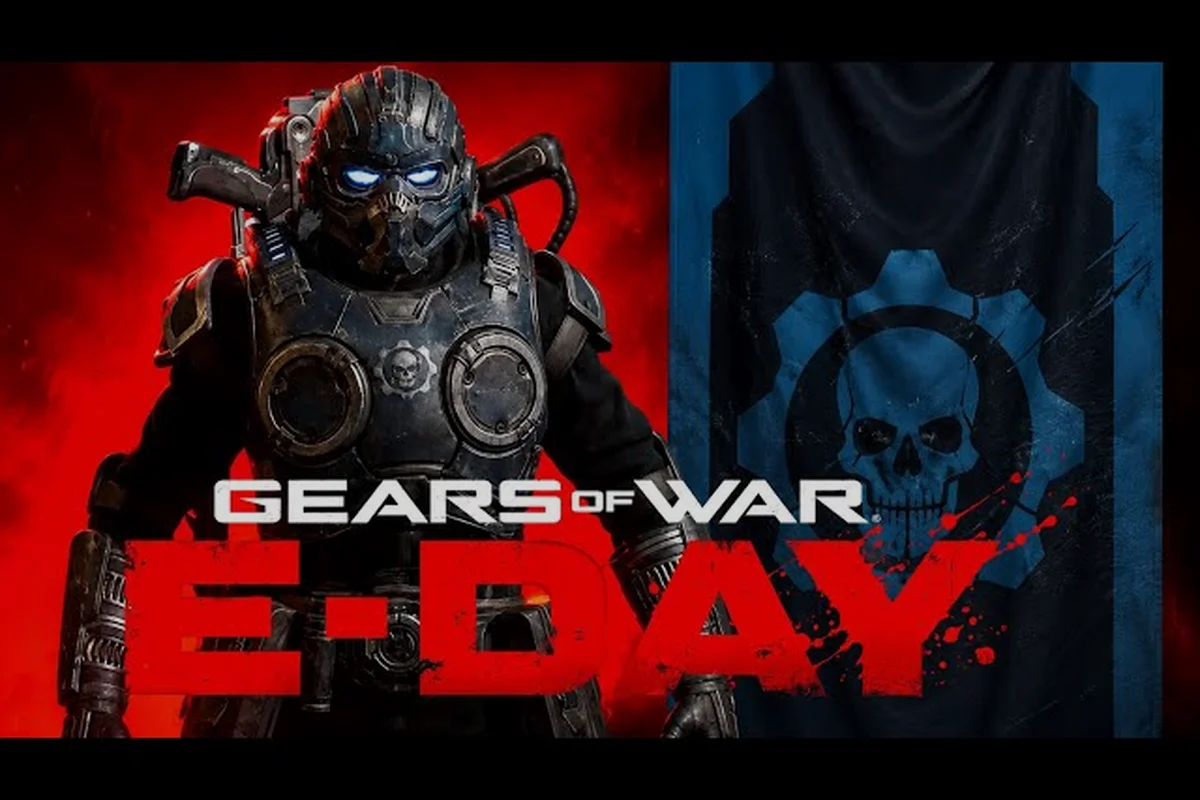
The gears of war e-day weapon comparison comes down to one brutal question: do you trust the Lancer's disciplined fire rate or the Gnasher's one-shot potential? Every engagement in The Coalition's prequel rewards a different answer, and picking wrong means watching your downed teammates get executed while you fumble a reload. This breakdown ranks the launch arsenal so you know exactly which loadout fits your playstyle before Emergence Day turns Kalona into a war zone.
We have pulled data from the official Gears of War E-Day Steam page and community testing reports to build a practical reference. You will find tier rankings, damage-per-second math, active reload timing windows, and secondary weapon recommendations that hold up in both Horde Siege and Versus. Whether you are grinding Weapon Parts for mods or just want to win your first multiplayer match, this guide gives you the numbers behind every trigger pull.
Weapon Tier Rankings for E-Day Launch
The launch roster splits into three clear power bands, and understanding where each gun sits saves you from wasting Weapon Parts on upgrades that will not pay off. Community testing across the first two weeks of the October 6, 2026 release has produced a consistent consensus, although the weapon balance guide community maintains that the meta will shift once The Coalition patches the first round of outliers. Here is the tier breakdown that most competitive players currently reference.
| Tier | Weapon | Role | Verdict |
|---|---|---|---|
| S | Gnasher Shotgun | Close-range finisher | Mandatory for aggressive pushes |
| S | Retro Lancer | Mid-range pressure | Highest DPS rifle in the game |
| A | Standard Lancer | All-purpose rifle | Reliable but outclassed up close |
| A | Hammerburst | Precision burst | Strong when you land headshots |
| B | Snub Pistol | Backup weapon | Situational but useful |
| B | Torque Bow | Power weapon | Map control, not dueling |
The Gnasher dominates because the new movement system lets you slide into one-shot range faster than ever, and the Retro Lancer punishes anyone who tries to hold mid-range sightlines. The standard Lancer still works, but its lower damage per magazine means you lose straight-up trades against Retro users who land their active reloads. This ranking holds for both PvE and PvP, although Horde Siege shifts the priority toward sustained ammo economy over burst potential.
Retro Lancer vs Standard Lancer Breakdown
The gears of war e-day retro lancer has become the defining weapon of the prequel because it brings back the raw, punishing recoil of the original trilogy while the standard Lancer feels like a modernized sidegrade. Both rifles share the same ammo pool mechanics, but their effective ranges and damage profiles could not be more different. If you want a weapon that rewards aggressive positioning and disciplined trigger control, the Retro is your answer. If you want a weapon that rewards aggressive positioning and disciplined trigger control, the Retro is your answer, though whether it or the other rifles deserve a top spot in your rotation depends heavily on the current meta—check our Gears Of War E Day Tier List to see how its range and damage stack up against the competition before you commit to that sidegrade.
Damage and Fire Rate Comparison
The numbers tell the story better than any opinion piece, and community data from the Fandom wiki confirms the core stat differences that define this matchup. The Retro Lancer fires slower but hits significantly harder per bullet, which means your time-to-kill improves dramatically when you maintain accuracy through the recoil pattern.
| Stat | Retro Lancer | Standard Lancer |
|---|---|---|
| Damage per bullet | 42 | 29 |
| Fire rate (RPM) | 550 | 750 |
| Magazine size | 40 | 60 |
| Reload time (seconds) | 2.4 | 2.1 |
| Effective range | Mid (25m) | Mid-long (35m) |
The Retro Lancer wins every close-to-mid trade because its damage per magazine reaches 1,680 compared to the standard rifle's 1,740, but the Retro delivers that damage in fewer shots on target. However, the standard Lancer's faster fire rate means you can spray through cover more effectively when enemies are moving laterally. The real differentiator is the active reload timing window, which we break down in the next section because it changes both weapons' effective DPS by a significant margin.
Recoil and Handling Differences
Recoil management separates good players from great ones in this matchup, and the Retro Lancer demands far more discipline than its modern counterpart. The Retro kicks hard after the third shot, forcing you to pull down on the right stick or mouse consistently, while the standard Lancer's pattern stays manageable even when you hold the trigger through an entire magazine. This handling gap matters most in Versus, where missing shots gives your opponent the opening to close distance with a Gnasher.
Active Reload Weapons and Timing Windows
The gears of war e-day active reload weapons system rewards players who master the timing bar, and the payoff is substantial enough that competitive matches often hinge on who lands their perfect reloads first. When you hit the white sweet spot on the reload indicator, your next magazine deals bonus damage, and the window varies slightly across weapon classes. The active reload mechanic has been a franchise staple since the original game, but E-Day tightens the timing windows to reward genuine skill rather than muscle memory alone.
| Weapon | Perfect Reload Window | Bonus Damage | Window Duration |
|---|---|---|---|
| Retro Lancer | 0.4s after bar starts | +25% | 0.18s |
| Standard Lancer | 0.5s after bar starts | +20% | 0.22s |
| Gnasher | 0.3s after bar starts | +30% | 0.15s |
| Hammerburst | 0.45s after bar starts | +22% | 0.20s |
The Gnasher's active reload is the highest-risk, highest-reward timing window because the bonus damage pushes its point-blank shot past the one-shot kill threshold against full-health enemies. Meanwhile, the Retro Lancer's tighter window means you need to practice the rhythm in the firing range before taking it into ranked play. According to community reports on the official forums, players who master the active reload on the Retro Lancer see their average kills per match jump by roughly 30% compared to those who ignore the mechanic entirely.
Best Secondary Weapon Choices by Playstyle
Choosing the gears of war e-day best secondary weapon depends entirely on your primary weapon's weaknesses, and the game's loadout system encourages you to cover gaps rather than double down on strengths. The Snub Pistol remains the default backup because it handles well at mid-range and reloads fast, but the new weapon mod system from the official Gears of War website lets you customize your secondary in ways that change its role completely. Weapon mods unlock on a class level track and must be purchased with Weapon Parts earned in Horde Siege missions.
Aggressive Shotgun Loadout
If you run the Gnasher as your primary, you need a secondary that handles enemies outside your effective range, and the Hammerburst fills that role better than any other option. The burst fire lets you peek from cover, land three shots, and retreat before the enemy can return fire effectively. This loadout excels in tight maps with lots of corners, where you can force engagements on your terms and punish anyone who tries to keep distance.
Defensive Rifle Loadout
Players who prefer the Retro Lancer or standard Lancer should pair it with the Snub Pistol because the pistol's fast draw speed gives you a reliable fallback when your magazine runs dry mid-fight. The Snub's headshot multiplier is generous, and its active reload window is forgiving enough that you can pull off a perfect reload even under pressure. This combination keeps you effective at every range and ensures you never find yourself reloading while an enemy rushes your position.
| Primary Weapon | Best Secondary | Why It Works |
|---|---|---|
| Gnasher | Hammerburst | Covers mid-range gaps |
| Retro Lancer | Snub Pistol | Fast swap for emergencies |
| Standard Lancer | Snub Pistol | Balanced fallback option |
| Torque Bow | Gnasher | Close-range self-defense |
Weapon Balance Guide for Versus and Horde
The gears of war e-day weapon balance guide community has identified a few clear outliers that The Coalition will likely address in the first balance patch, and knowing these now gives you a competitive edge before the meta shifts. The Incinerator heavy weapon currently melts through Horde Siege bosses faster than intended, while the Gutpuncher has an inconsistent hitbox that sometimes fails to register at close range. These issues are documented in the official E-Day multiplayer news post, which outlines the team's commitment to tuning based on player feedback.
Versus Mode Priority
In Versus, the Gnasher and Retro Lancer dominate because the map design favors aggressive pushes and mid-range duels. The standard Lancer still appears in competitive play, but mostly as a support weapon for players who prefer to suppress enemies while teammates flank. If you want to climb the ranked ladder, mastering the Gnasher's active reload and the Retro Lancer's recoil pattern will carry you further than any other skill investment.
Horde Siege Considerations
Horde Siege changes the equation because ammo efficiency and sustained damage matter more than burst potential. The standard Lancer becomes a top-tier pick here because its larger magazine lets you hold a lane without reloading constantly, and the Hammerburst shines against Wretch swarms that die quickly to precision fire. Weapon mods also play a bigger role in PvE since you can attach a bayonet to the Gnasher for emergency melee finishers against Drones that get too close to your position.
Frequently Asked Questions
What is the best weapon loadout for beginners?
The standard Lancer paired with the Snub Pistol is the most forgiving loadout because both weapons have manageable recoil and generous active reload windows. You can learn the game's movement and cover mechanics without fighting your own gun, then graduate to the Retro Lancer once your aim improves.
How do I unlock weapon mods in E-Day?
Weapon mods unlock on a class level track and must be purchased with Weapon Parts, which you earn and extract in Horde Siege missions. The mod system is shared across all classes, so a mod you unlock on one class carries over when you equip another class in a different match.
Is the Retro Lancer better than the standard Lancer?
The Retro Lancer deals more damage per bullet and wins close-to-mid range trades, but its heavy recoil and smaller magazine make it less forgiving. The standard Lancer offers better sustained fire and range, making it the safer choice for players who prefer to control engagements from distance.
What is the best secondary weapon for the Gnasher?
The Hammerburst is the best secondary for Gnasher players because it covers mid-range engagements that the shotgun cannot handle. Its burst fire lets you peek from cover and land precise shots, forcing enemies to close distance on your terms where the Gnasher takes over.
How important is the active reload mechanic?
Extremely important—it's the difference between a two-shot and a one-shot with the Gnasher, and it drops the Retro Lancer's time-to-kill by a full shot. In Versus, perfect reloads are your main competitive edge; in Horde, they stretch ammo efficiency against Boomer waves. Practice the timing windows until they're muscle memory.